The Terran Robert Dairo<unk>’s eye changed Jimmy Fallon forever. In 30 years of television, through thousands of interviews and countless moments of laughter, Jimmy had never seen anything like what happened that night. The studio fell silent. The cameras kept rolling, but for the first time in his career, Jimmy Fallon had no words.
It started like any other Tuesday night taping of the Tonight Show. The audience was energetic, the band was ready, and Robert Dairo was scheduled to promote his latest film. But what unfolded in those 12 minutes would become the most powerful moment in late night television history. A moment that reminded everyone watching that beneath the laughter, the games, and the entertainment, television could still touch the deepest parts of the human soul.
But what Jimmy didn’t know was that Robert had come to the show carrying a secret. A weight that had been crushing him for months. And when that song began to play, everything changed. If you want to witness how a single moment can transform not just the show, but the man hosting it, subscribe now because this story is just beginning.
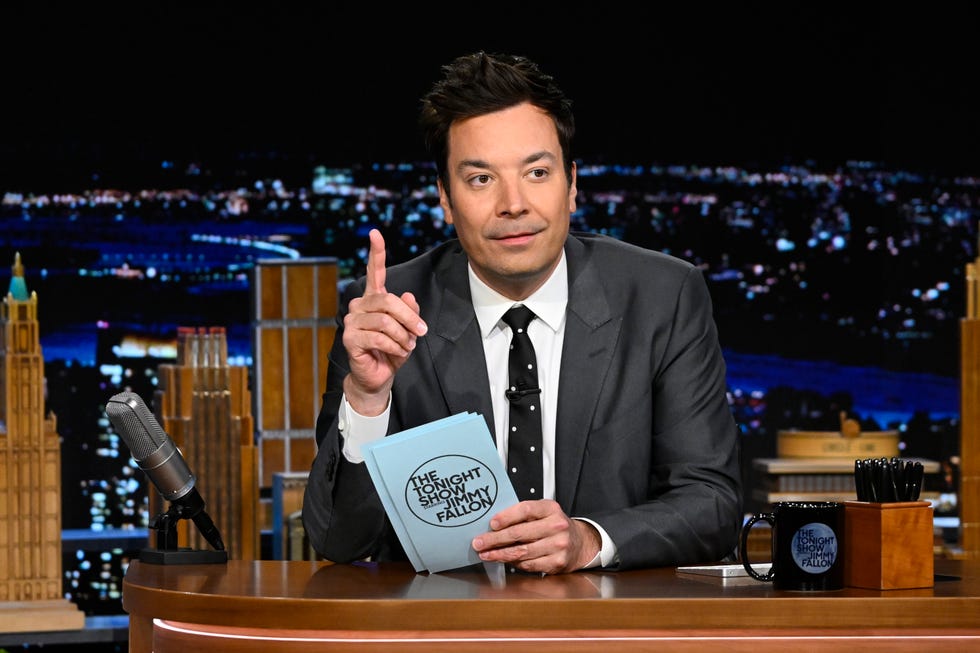
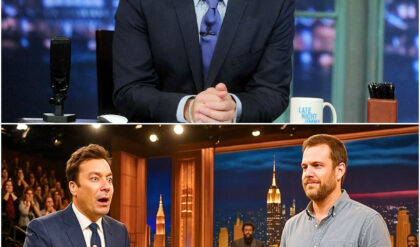
The Tonight Show studio was buzzing with its usual pre-show energy. Jimmy Fallon adjusted his tie for the third time, glancing over his note cards while the band warmed up in the background. It was March 15th, 2024, and Robert Dairo was the main guest, always a reliable booking. The legendary actor had been on the show multiple times, and Jimmy knew exactly what to expect.
Stories about his latest project, some gentle ribbing about his serious demeanor, maybe a game or two. 5 minutes to air,” called the floor manager. Jimmy looked out at the audience, 200 faces eager for entertainment. In section B, he noticed an elderly woman in the front row, probably in her 80s, wearing a vintage dress and clutching a small photograph.
She’d caught his attention during the warm-up because unlike everyone else who was laughing and cheering, she sat quietly, almost reverently, as if she were in church rather than a television studio. Robert Dairo entered from stage left, walking with his characteristic measured pace. But Jimmy, who had developed an eye for reading people after decades in television, noticed something different.
The actor’s usual confident presence seemed subdued. His eyes, normally sharp and penetrating, appeared distant, almost fragile. “Robert Dairo, everyone,” Jimmy announced as they went live, and the audience erupted in applause. Dairo smiled, but it was the kind of smile Jimmy had seen before. The professional mask that celebrities wear when they’re carrying something heavy inside.
The interview began normally. They discussed Robert’s new film, shared a few behindthe-scenes stories, and the audience laughed at Jimmy’s impressions, but as they approached the commercial break, Jimmy decided to venture into more personal territory. You know, Robert, I’ve been thinking about Legacy lately.
Jimmy said, leaning back in his chair. You’ve given us so many incredible characters, but I’m curious. What’s the role that means the most to you personally? Dairo paused longer than usual. His fingers drumed silently on the arm of his chair, and Jimmy could see something shifting behind his eyes. That’s that’s an interesting question, Jimmy, Dairo replied, his voice softer than normal.
You know, there are roles you play for the audience and then there are roles you play for yourself. The most important one, the most important one isn’t on any screen. Jimmy stopped mid joke. The entire studio froze. Something in Robert’s tone made Jimmy set down his note cards. This wasn’t the scripted banter they’d rehearsed.
This was something else entirely, something real and raw and completely unplanned. Tell me about that,” Jimmy said quietly, abandoning his prepared questions. Robert looked out at the audience, his gaze settling on the elderly woman in the front row. “She was still clutching that photograph, and for a moment, their eyes met across the studio.
” “My father died when I was seven,” Robert said, his voice barely above a whisper. And for 73 years, I’ve been trying to figure out how to say goodbye to someone who left before I learned how to talk to him. The studio audience fell silent. Even the cameras seemed to sense the weight of the moment, staying steady and respectful.
Jimmy felt his chest tighten. This wasn’t going to be the fun, light-hearted interview they’d planned. “Robert,” Jimmy said gently. “We don’t have to.” “No,” Dairo interrupted, shaking his head. I need to. Last month, my son came to me with an old box he found in my mother’s house. Inside was a letter my father wrote me before he died.
I’ve been carrying it with me everywhere, but I I’ve never been able to read it. He reached into his jacket pocket and pulled out a worn, yellowed envelope. The sight of it made the elderly woman in the front row gasp audibly. “Excuse me,” she called out, her voice shaking. Excuse me.
Jimmy turned toward the audience, unsure of what was happening. Security started to move, but Robert held up his hand. “Let her speak,” he said. The woman stood slowly, still clutching her photograph. “Mr. Dairo, my name is Rose Castellano. I was your father’s neighbor in Little Italy. I knew him before you were born.
” The studio collectively held its breath. Jimmy looked back and forth between Robert and Rose, realizing they were witnessing something completely unprecedented. Behind the scenes, Fallon made a decision that defied every producer’s expectation, “Cut the commercial break.” Jimmy told his producer through his earpiece, “Keep rolling.
” He stood up from his desk and walked over to Rose, helping her out of her seat. “Would you like to come up here?” As Rose made her way to the stage, Robert stood as well, the letter trembling in his hands. When she reached them, she held up the photograph. It was a picture of a young man in a Navy uniform. This is your father, Robert.
This was taken the day before he shipped out. He used to sit on his stoop every evening talking about his little boy. He’d tell anyone who’d listen about how proud he was of you, how he couldn’t wait to teach you to throw a baseball. Robert’s composure began to crack, his eyes filled with tears as he looked at the photograph of a father he barely remembered.
He wrote you letters, Rose continued. Dozens of them. He’d write one every night, planning all the things he wanted to tell you when he came home. Your mother, she gave me this one, but she was too heartbroken to give you the rest. Jimmy felt tears welling up in his own eyes. In 20 years of hosting, he never seen anything like this unfolding live on television. Rose.
Robert whispered. Would you would you help me read it? She nodded, taking the letter from his shaking hands. As she began to open it, Jimmy made another spontaneous decision. He walked over to his desk and pressed a button that connected him directly to the show’s music department. “Play track 17,” he said quietly.
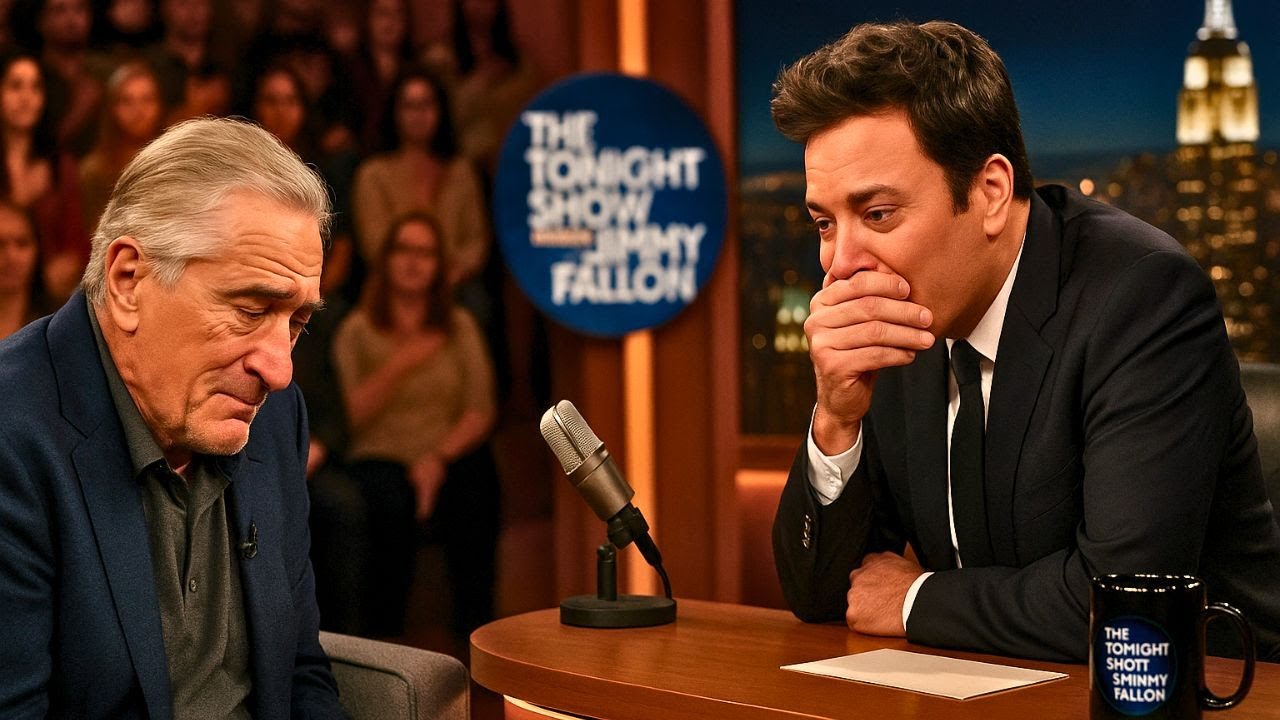
the one from my wedding playlist. But this is the moment no one in the studio and no one watching at home ever saw coming. As Rose opened the letter, the soft sounds of Moon River began to fill the studio. It was Robert’s father’s favorite song. Something Rose had mentioned in a whisper to Jimmy during a commercial break years earlier when she’d first tried to contact the show.
Robert’s knees nearly buckled when he heard the opening notes. How did you How did you know? Jimmy’s voice was thick with emotion. Rose called the show 3 years ago. She’s been trying to reach you ever since. She said, “If you ever came on, I should play this song. Your father used to sing it to you when you were a baby.
” Rose unfolded the letter, her hands steady despite her age. In a clear, strong voice, she began to read. “My dearest Robert, by the time you read this, I’ll be gone. But I need you to know that every breath I took was for you. I won’t be there to see you grow up, to teach you how to shave or drive a car or talk to girls.
But I need you to know that you are my greatest role, my finest performance, my legacy.” Robert broke down completely. Not the controlled actors cry, but the deep wrenching sobs of a child who had finally found his father. After seven decades of searching, Jimmy did something he’d never done before in his career.
He removed his tie, the one he wore for luck every show given to him by his own father, and placed it gently in Robert’s hands. “Keep this,” Jimmy whispered. “Every man needs something from his father. Subscribe and leave a comment because the most powerful part of this story is still ahead.” The audience was on its feet, but it wasn’t applause, it was respect.
200 people standing in silent witness to something sacred. The cameras captured every tear, every embrace, every word of the letter as Rose continued reading. Robert’s father had written about baseball games they never play, about advice he’d never give, about pride he’d never be able to express. But more than that, he’d written about love, unconditional, eternal, unbreakable love.
When Rose finished reading, Robert took the photograph and held it against his chest. For a moment, he was no longer the tough guy from Taxi Driver or the patriarch from The Godfather. He was just a seven-year-old boy who had finally heard his daddy say he loved him. “Thank you,” Robert whispered to Rose, then turned to Jimmy.
“Thank you for letting this happen,” Jimmy, still fighting his own tears, made one final decision that night. He walked to the edge of the stage and addressed his audience directly. Ladies and gentlemen, I’ve been hosting this show for 10 years. I’ve interviewed presidents and pop stars, comedians, and athletes.
But tonight, I learned something I’ll carry with me forever. The most important conversations aren’t about movies or music or fame. They’re about love, about family, about the moments that make us human. He lookedback at Robert, who was still holding the tie and the photograph. Sometimes the best show is no show at all.
Sometimes the best entertainment is just truth. The episode ended not with Jimmy’s usual sign off but with silence. Robert Rose and Jimmy stood together on the stage as Moon River continued to play. And for once, nobody felt the need to fill the quiet with words. In the days that followed, the clip went viral, not for its humor or celebrity gossip, but for its raw humanity.
Jimmy received thousands of messages from viewers who shared their own stories of loss, of mised connections, of words unspoken. But more importantly, Jimmy changed. He kept that episode close to his heart, and it influenced how he approached every guest afterwards. He learned that sometimes the best interview questions aren’t in the script, they’re in the heart.
The tie he gave Robert that night became a symbol. Robert had it framed along with his father’s letter, and it reminded him that fathers pass their love down in ways we can’t always see, through strangers who become family, through kindness that appears when we need it most. Rose Castellano became a regular presence at the Tonight Show, not as a guest, but as a reminder that the most powerful stories are often carried by the most unexpected messengers.
And Jimmy Fallon learned that the greatest moments in television aren’t planned, they’re felt. They happen when we stop performing and start being human. Share and subscribe. Make sure this story is never forgotten. Because in a world full of entertainment, sometimes what we really need is just a moment of real connection, real love, and real truth.
3 months later, Jimmy received a package with no return address. Inside was a small wooden box, handcrafted and worn smooth by age. Tucked inside was a note from Rose Castellano. Dear Jimmy, Robert’s father made this box for his son’s first birthday. He never got to give it to him. Robert wanted you to have it because you gave him something he never thought he’d find.
A father’s love delivered by a friend. The box sits on Jimmy’s desk to this day, not as a trophy or momento, but as a reminder that the most profound moments in life come when we stop trying to entertain and start trying to connect. It reminds him that television’s greatest power isn’t making people laugh.
It’s making them feel less alone in the world. Robert kept that tie Jimmy gave him. He had it framed alongside his father’s letter. And every morning before he goes to work, he looks at both. The words of a father he never knew and the gesture of a friend who helped him find his way home. The episode changed more than just Robert and Jimmy.
Letters poured in from viewers around the world. Sons who called their fathers for the first time in years. Daughters who shared long-held secrets. Families who realized that love doesn’t have an expiration date. One viewer wrote, “I watched my dad cry for the first time in my life during that episode. We talked until sunrise.
” Rose Castellano passed away 6 months later, but not before Jimmy made sure she knew how many lives she touched by carrying that letter, that photograph, and that memory for 70 years. Her funeral was attended by dozens of people she’d never met. viewers who felt connected to her story and wanted to honor the woman who proved that love finds a way.
Even across decades of silence, Jimmy’s approach to interviews changed forever after that night. He learned to listen not just for the punchline, but for the heartbreak underneath. He discovered that the most powerful entertainment isn’t scripted. It’s what happens when real human beings stop pretending and start remembering what matters most.
The Tonight Show won multiple awards that year, but Jimmy never mentioned that episode in his acceptance speeches. Some moments are too sacred for trophies, too important for accolades. They exist not to be celebrated, but to be remembered, shared, and lived. That night, Jimmy didn’t just host a show. He witnessed a son finding his father, a stranger becoming family, and a moment when television remembered its highest purpose to bring people together in their shared humanity.